
Sewing Patterns for Historical Dresses
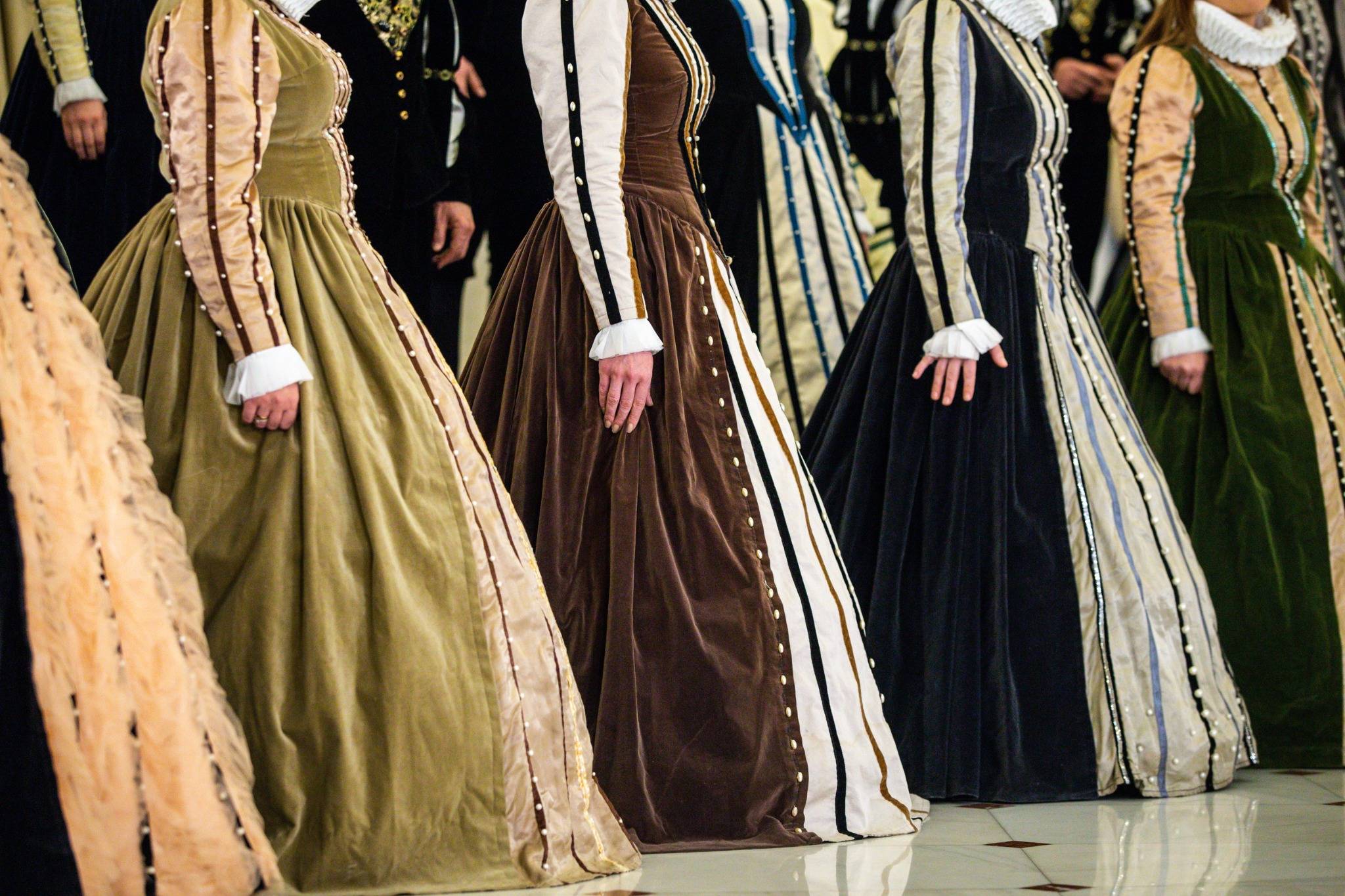
Costumes are essential for bringing history to life, whether in theater, film, or reenactments. Behind every gown is a sewing pattern - the framework that translates historical fashion into a set of instructions for modern makers. Patterns enable sewists to replicate not only the shape of a garment, but also the cultural style of an entire era. Understanding how these patterns evolved makes it easier to choose projects that align with your interests and skill level.
Fabrics and Patterns: Choosing the Right Match
Patterns are designed with fabric behavior in mind. The same cut looks completely different in muslin than it does in velvet, for example.
Regency gowns are characterized by their use of soft, lightweight fabrics that drape naturally.
Victorian gowns often need heavy, structured textiles to support wide skirts and fitted bodices.
Renaissance dresses typically require multiple layers of stiff brocade or velvet to maintain their shape and form.
Edwardian styles favor lace, voile, and lighter fabrics that flow elegantly.
Selecting fabrics that match a pattern's historical intent ensures the final garment feels true to its era.
Hand Sewing vs. Sewing Machines in Pattern Use
Before the 1850s, patterns were written with hand-sewing in mind. Instructions focused on how to pleat, hem, and embroider by hand. Following the introduction of the sewing machine in 1851, patterns were adapted to accommodate the technology, often incorporating machine seams and facilitating quicker construction.
For modern sewists:
Machines work well for structure and main seams.
Hand stitching adds authenticity to finishing touches, such as buttonholes, hems, or decorative details.
This hybrid approach respects tradition while making historical projects achievable.
Patterns Through the Eras
Sewing patterns have always reflected the fashions of their time, adapting to changing silhouettes, fabrics, and social expectations. Each era introduced new construction techniques and garment shapes, and patterns captured these details for dressmakers of the day. Exploring them offers a clear view of how styles evolved - and helps modern sewists choose projects that match their skill level and historical interests.
Renaissance (14th-17th Century)
Renaissance patterns are among the most elaborate. Dresses featured stiff, square-neck bodices often featuring detachable sleeves, full skirts built from several wide panels, and reinforced with stays. Patterns sometimes included slashing and puffing techniques to reveal contrasting fabrics underneath. For beginners, simplified patterns focus on the silhouette while leaving out ornate decoration.
18th Century
The 1700s introduced iconic gown styles, including the robe à la française, characterized by its dramatic pleats flowing from the shoulders, and the robe à l'anglaise, which was fitted at the back with an open skirt to reveal the petticoat underneath. Patterns from this period are structured around stays (corsets), panniers (side hoops), and multiple skirt panels. Beginners often start with robe à l'anglaise patterns, which are less complex but still capture the elegance of the century.
Regency (1795-1820)
Regency gown patterns are approachable and straightforward. Most are constructed from rectangles and triangles of fabric, gathered into shape rather than heavily tailored. The empire waistline - bodices ending just under the bust - defines the style. Short puffed sleeves, straight skirts, and minimal undergarments make these patterns ideal for beginners.
Early to Mid-Victorian (1837-1870)
Patterns grew more complex as silhouettes widened. Early Victorian patterns featured fitted bodices paired with bell-shaped skirts, cut from multiple gored panels. By the mid-century, crinolines replaced layers of petticoats, requiring patterns to include directions for skirt supports. Bodices often featured darts or princess seams for shaping. Decorative trims and lace inserts became standard features of patterns, even for everyday wear.
Late Victorian (1870-1890s)
Bustle dress patterns represent one of the most complex challenges. They require additional pieces for padding and draping to achieve the exaggerated silhouette. Tailored bodices were heavily boned and often included separate linings. Evening gowns featured trained skirts with elaborate pleating instructions. These patterns are advanced, but simplified reproductions exist for sewists eager to try the style.
Edwardian (1901-1910)
The Edwardian period softened lines with the S-curve silhouette. Patterns included high-necked blouses paired with skirts cut in several gores for extra fullness. Lace insertions and embroidery were often part of the instructions. Dresses tended to have flowing skirts and delicate details, making these patterns slightly more forgiving than the late Victorian bustles, while still teaching techniques such as working with lace and delicate fabrics.
Regency, Victorian, and Edwardian Patterns in Practice
Regency: Straightforward patterns with gathered panels. Best suited for beginners.
Victorian: Increasingly structured patterns, requiring undergarments and shaping. Early versions are manageable, but late Victorian bustles pose a challenge even to experienced sewists.
Edwardian: Flowing, layered patterns that combine elegance with wearability, great for intermediate projects.
Patterns from each era teach different skills, from gathering fabric in Regency costumes to boning and draping in Victorian styles.